Camino de Santiago Mini-Guide (The French Way)
A quick guide to walking the Camino de Santiago with tips on where to go, what to eat, the best time to visit, and how to plan the best trip walking trip.
Overview of the French Way
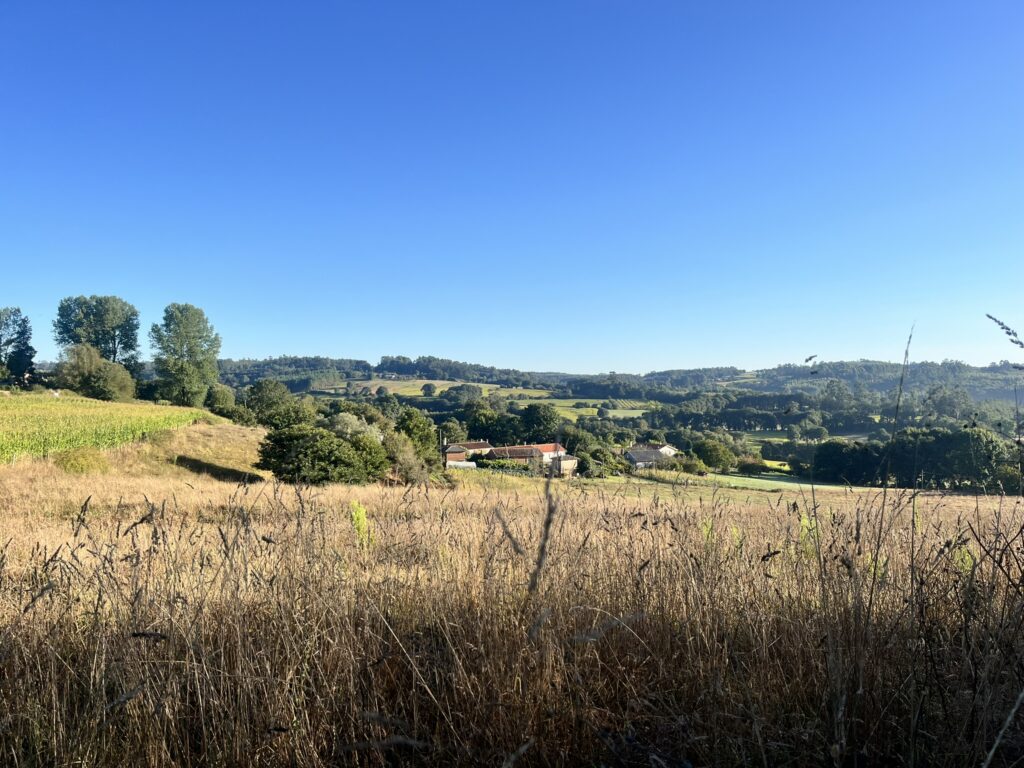
The French Way, or Camino Francés, is the most popular route of the Camino de Santiago and spans approximately 800 kilometers from Saint-Jean-Pied-de-Port in France to Santiago de Compostela in Spain. It traverses many different landscapes, from the Pyrenees and the vineyards of La Rioja to the open plains of Castilla y León and the greenery of Galicia. Each region has unique cultural experiences, from medieval towns and Gothic cathedrals to market squares and quiet country paths.
Walking the French Way is like traveling through a living museum, full of history and art. If you choose to walk the whole thing, you’ll pass through iconic towns such as Pamplona, known for its Running of the Bulls, Burgos with its massive Gothic cathedral, and León, famed for its ancient architecture and local life.
The beauty of the French Way lies in its flexibility. Pilgrims can start their journey at any point along the route, choosing sections that match their time constraints and interests. Whether you have a week or a month, you can tailor your pilgrimage to explore the aspects of Spain that intrigue you the most. Many services cater to pilgrims along the way, including hostels, guided tours, and transport for luggage, making it accessible for all ages and fitness levels.


Popular Stops Along the Camino
- Saint-Jean-Pied-de-Port: The traditional starting point of the French Way, in the French Pyrenees. It’s the perfect place to acclimatize and meet other pilgrims before beginning the journey across the border into Spain.
- Pamplona: Famous worldwide for its Running of the Bulls in July, Pamplona offers a rich history with its well-preserved medieval city walls and beautiful parks.
- Puente la Reina: Known for its beautiful 11th-century bridge, Puente la Reina is a quintessential medieval town where two major Camino routes merge into one.
- Estella: With its nickname “Star of the Camino,” Estella is a town that thrived during the Middle Ages due to the Camino.
- Burgos: Home to the magnificent Burgos Cathedral, a UNESCO World Heritage Site, Burgos offers a rich artistic and historical heritage.
- León: Known for its Gothic cathedral with stunning stained glass windows, León is a major stop that offers a mix of historical architecture and modern amenities.
- Astorga: Famous for its Episcopal Palace designed by Antoni Gaudí and the Chocolate Museum, Astorga is a delightful town rich in Roman history and architecture.
- Ponferrada: Known for its Templar Castle, which was built in the 12th century to protect pilgrims, Ponferrada is another historical gem on the route. The town also serves as a gateway to the challenging mountains of Galicia.
- O Cebreiro: A small village in Galicia, O Cebreiro is known for its traditional pallozas (stone houses with thatched roofs) and its significant role in the history of the Camino.
- Santiago de Compostela: The final destination of the Camino, where the relics of Saint James are said to be buried. The city’s old town is a UNESCO World Heritage Site, and the arrival at the Cathedral of Santiago de Compostela is an emotional experience for many pilgrims.
Best Time to Walk the Camino
Summer (June to August): Walking the Camino in summer means long, sunny days that are good for long stretches of walking. The weather is warm, sometimes even hot, which suits pilgrims who are comfortable trekking in full sun. This period is the peak tourist season, so the path can be quite crowded. However, expect the routes to be busy and accommodations to be booked well in advance.
Spring (April to May): Spring is one of the best times to walk the Camino. The landscape is blooming, and the temperatures are milder compared to summer. There are fewer pilgrims on the path than in summer, making for a quieter experience. Accommodations are easier to come by, and the cooler weather makes for a more comfortable walk.
Fall (September to November): Like spring, fall offers a fantastic walking experience with the added bonus of the autumnal colors. The weather remains warm in September and gradually cools down by November. The routes are less crowded than in summer but still lively enough to enjoy interactions with fellow pilgrims. Similar to spring, accommodations are more readily available, and the temperate climate makes for pleasant walking conditions.
Winter (December to March): Winter on the Camino can be challenging but rewarding. The path is much less crowded, offering a more solitary experience. The weather can be cold, and some parts of the path might be rainy or even snowy, especially in higher elevations and in the Pyrenees at the start of the French Way. Many services and accommodations close for the season, so it’s essential to plan accordingly.

Activities and Experiences Along the Camino
Visiting Historic Sites: Explore cathedrals, monasteries, and ancient ruins scattered along the route. Notable sites include the Cathedral of León, the Roman Walls of Lugo, and the Iron Cross (Cruz de Ferro).
Meeting Fellow Pilgrims: One of the coolest parts of the Camino is meeting people from all over the world, sharing stories, and forming friendships. Many lifelong bonds are formed on the Camino.
Pilgrim Masses: Attend pilgrim masses available in many towns along the route, where a special blessing is often given to the walkers.
Artisan Workshops: In some towns, it’s possible to visit workshops where traditional crafts and arts are still practiced, offering insights into local customs and skills.Language Practice: For those looking to improve their Spanish, the Camino offers a fantastic opportunity to practice speaking with locals and other pilgrims.
Where to Stay on the Camino
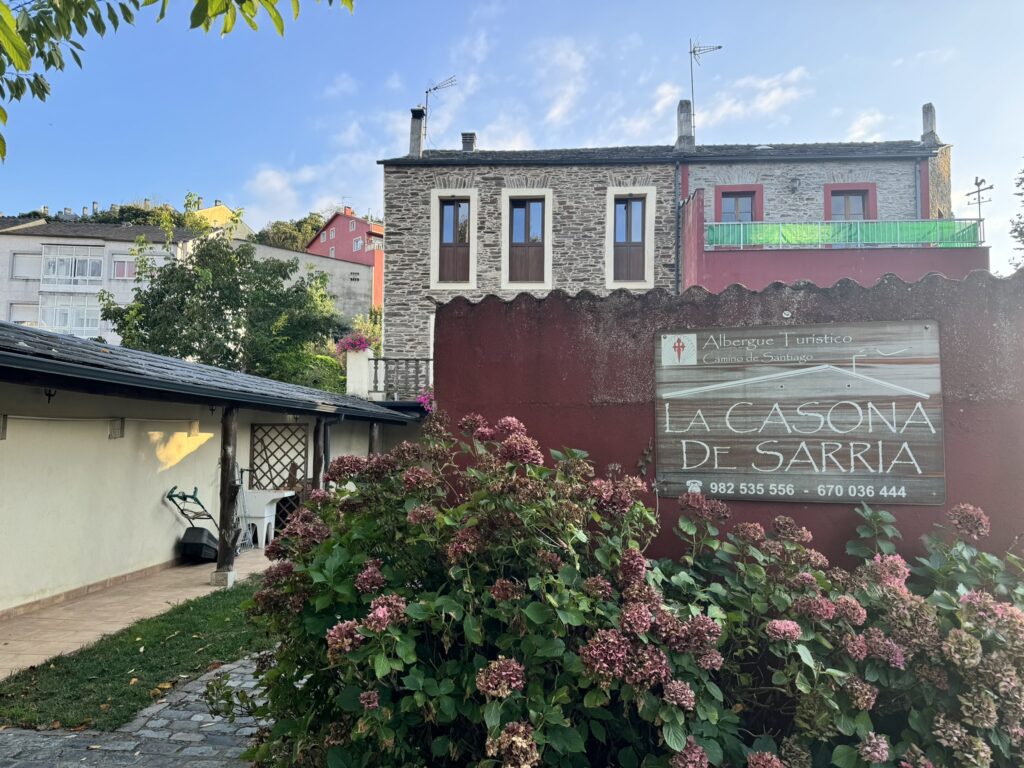
Albergues (Pilgrim Hostels): Operated by local municipalities, religious organizations, or privately owned. These are the most economical options, offering basic dormitory-style sleeping arrangements. They operate on a first-come, first-served basis and usually require a pilgrim’s passport.
Casas Rurales (Country Houses): These are often cute rural homes converted into bed and breakfasts, providing a more comfortable and intimate setting. They are a great option if you’re looking for a quieter, more personal experience.
Pensiones (Guesthouses): Similar to bed and breakfasts, pensiones are small, family-run establishments offering private rooms. They provide a good balance between cost and comfort, with more privacy than albergues.
Hotels: Along the Camino, you’ll find hotels ranging from basic one-star accommodations to luxurious four-star establishments. Hotels offer private rooms with ensuite bathrooms and more extensive services and amenities.
Hostales (Hostels): Different from albergues, hostales are more like small hotels but with fewer amenities and generally cheaper rates. They offer private rooms and are a step up from pensiones in terms of privacy and comfort.
Apartments: In larger towns or cities, you can rent apartments for short stays. This option might be appealing if you’re traveling with a group or want more space and the facilities to cook your own meals.Camping: Some pilgrims choose to camp along the Camino. While not as common, there are designated camping areas along the route, offering a budget-friendly and adventurous way to experience the pilgrimage.

Must-Eat Food Along The French Way
- Navarra and Basque Country
- Pintxos: Similar to tapas, these are small snacks typically eaten in bars; they range from simple cheese on bread to sophisticated seafood, meats, and vegetable combinations.
- Txuleta: A thick cut of beef steak, often from older cows, grilled over coals and served rare, a Basque specialty.
- Bacalao al Pil Pil: Salt cod cooked with garlic, olive oil, and chili, which creates a creamy emulsion.
- La Rioja
- Patatas a la Riojana: A hearty potato and chorizo stew, perfect for replenishing energy after a long day of walking.
- Chorizo al Vino: Chorizo sausages cooked in local Rioja wine, a simple yet flavorful dish.
- Castilla y León
- Morcilla de Burgos: A blood sausage made with rice, onions, and spices. It’s a rich and savory treat that is often served grilled or fried.
- Lechazo: Roasted suckling lamb, typically cooked in a wood-fired oven and a specialty in the region, especially around Burgos.
- Galicia
- Pulpo a la Gallega (Polbo á Feira): Octopus seasoned with paprika, rock salt, and drizzled with olive oil, typically served on wooden plates.
- Empanada Gallega: A pie filled with tuna, sardines, or chorizo, mixed with onions and peppers.
- Caldo Gallego: A Galician soup made with greens, potatoes, and usually chorizo or porl
Tips for Walking the Camino de Santiago
Choose the Right Route for You: The Camino Francés (French Way) is the most popular and well-marked, but there are other options: Camino Portugués (from Portugal), Camino del Norte (coastal route), Via de la Plata (from Seville). Research each route and pick one that matches your fitness level, time frame, and interests.
Break in Your Shoes: Don’t walk the Camino in brand-new shoes. Break them in well beforehand to avoid blisters. Consider bringing two pairs of shoes: one for hiking and a pair of sandals or lightweight shoes for evenings.
Train Before You Go: Walking 20-30 kilometers a day is no joke. Prepare by taking long walks with a loaded backpack to build stamina and strength.
Start Early Each Day: The earlier you start walking, the cooler it will be, and you’ll avoid the midday heat. It also increases your chances of securing a bed at popular albergues.
Stay Flexible with Your Plan: It’s great to have a general itinerary, but don’t be afraid to adjust it. Take rest days if needed or slow down to enjoy a particularly beautiful area.
Don’t Overdo It on the First Days: Pace yourself, especially in the first few days. Many pilgrims get injured by pushing too hard early on.
Carry Cash: While larger towns have ATMs, many smaller villages don’t. It’s a good idea to carry some cash for meals, albergues, and snacks.
Book Ahead During Busy Periods: While most albergues operate on a first-come, first-served basis, private accommodations can be booked in advance. This is especially helpful in high season (June to September).
Embrace the Camino Spirit: The Camino is about more than reaching Santiago. Talk to fellow pilgrims, enjoy the beautiful landscapes, and be open to the experience.