
Stockholm, Sweden Mini-Guide
A quick guide to Stockholm with tips on where to go, what to eat, the best time to visit, and how to plan the best trip to this Nordic city.
Overview of Stockholm, Sweden
Stockholm, the capital of Sweden, is a city spread across 14 islands, where Lake Mälaren flows into the Baltic Sea. The city blends modern urban culture with historic charm, making it a fascinating destination for travelers. The old town, Gamla Stan, with its narrow cobblestone streets and medieval buildings, sits alongside modern areas known for their cool architecture and nightlife.
Exploring Stockholm offers lots of opportunities to tailor your visit. Whether you’re interested in soaking up Swedish culture and history, enjoying the outdoor activities around the city’s archipelago, or experiencing the nightlife, Stockholm caters to all types of travelers.
Where to Go in Stockholm
- Vasa Museum: Located on Djurgården Island, this museum is built around the 17th-century warship Vasa, which famously sank on its maiden voyage.
- Skansen Open-Air Museum: Also on Djurgården, Skansen is the world’s first open-air museum and zoo.
- Moderna Museet: Situated on Skeppsholmen Island, this museum is dedicated to modern and contemporary art.
- Royal Palace: One of Europe’s largest palaces, this is the official residence of the King of Sweden. The palace is open to the public and offers several museums on-site.
- Monteliusvägen: A scenic walking path with sweeping views of Lake Mälaren, City Hall, and Riddarholmen, especially beautiful at sunrise or sunset.
- Södermalm: Known for its bohemian spirit and trendy vibe, Södermalm offers a variety of boutique shops, art galleries, bars, and restaurants.
- Stockholm City Hall: Famous for its grand ceremonial halls and unique art pieces, the City Hall is where the Nobel Prize banquets are held each December.
- Archipelago Tour: Just outside the city lies the Stockholm archipelago, with over 30,000 islands and islets. A boat tour is a perfect way to explore these beautiful landscapes.



Best Time to Go to Stockholm
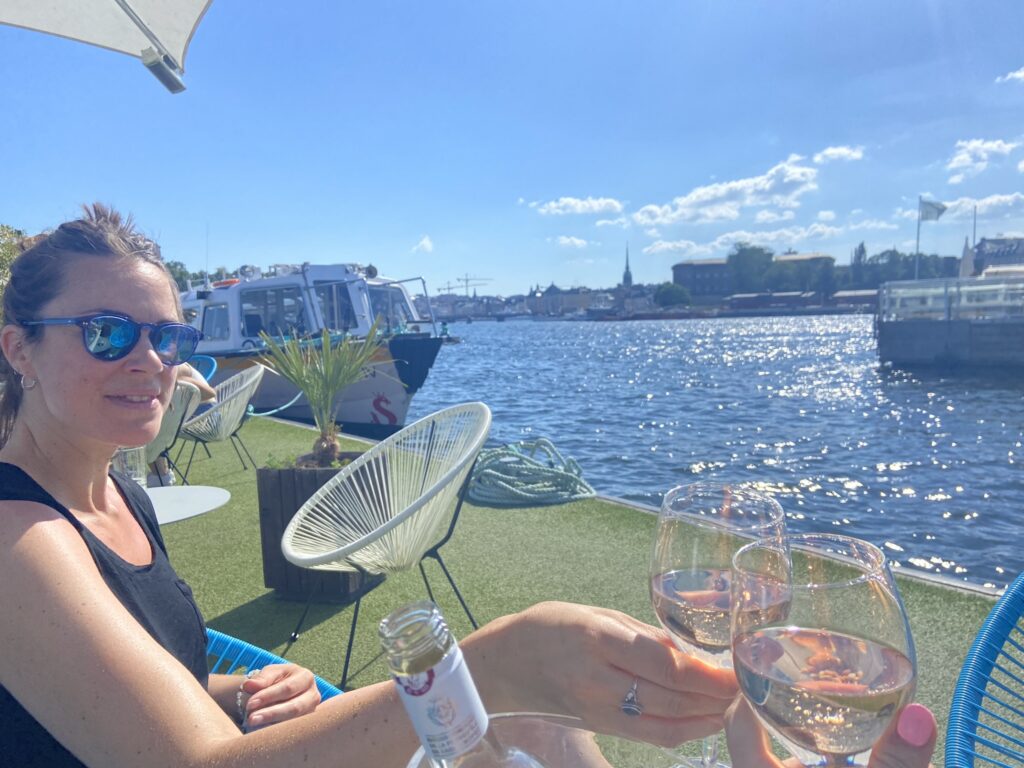
Summer (June to August): Summer in Stockholm is arguably the best time to visit. The city comes alive with long, sunlit days (the sun “sets” around 10 PM), and the weather is warm and pleasant. This is the peak season for tourists, so while the city is busy with festivals and events, like Midsummer celebrations, expect more crowds and higher prices.
Spring (April to May): Spring is a lovely time to visit as the city shakes off the winter chill and the days begin to lengthen. You’ll find fewer tourists than in summer, making it a great time to explore museums and attractions in relative peace. The weather can still be a bit unpredictable, with occasional showers and chilly days, but the blooming flowers and greenery make the city particularly beautiful.
Fall (September to November): Autumn is similar to spring in terms of tourist numbers but offers a unique charm as the leaves change color, especially in the city’s many parks. The weather is crisp and requires a jacket, but it’s still comfortable enough for walking tours and enjoying the city’s cozy cafes.
Winter (December to March): Stockholm’s winters are cold and dark, with short days and frequent snow. It’s the least crowded time to visit, and hotel prices tend to be lower. December is particularly festive with Christmas markets and decorations lighting up the city.
Activities and Experiences in Stockholm
Stockholm Archipelago Kayak Tour
Winter Kayak, Fika and Sauna Tour

Where to Stay in Stockholm
Here is a whole page of top recommended hotels in Stockholm.
Must Eat Swedish Food
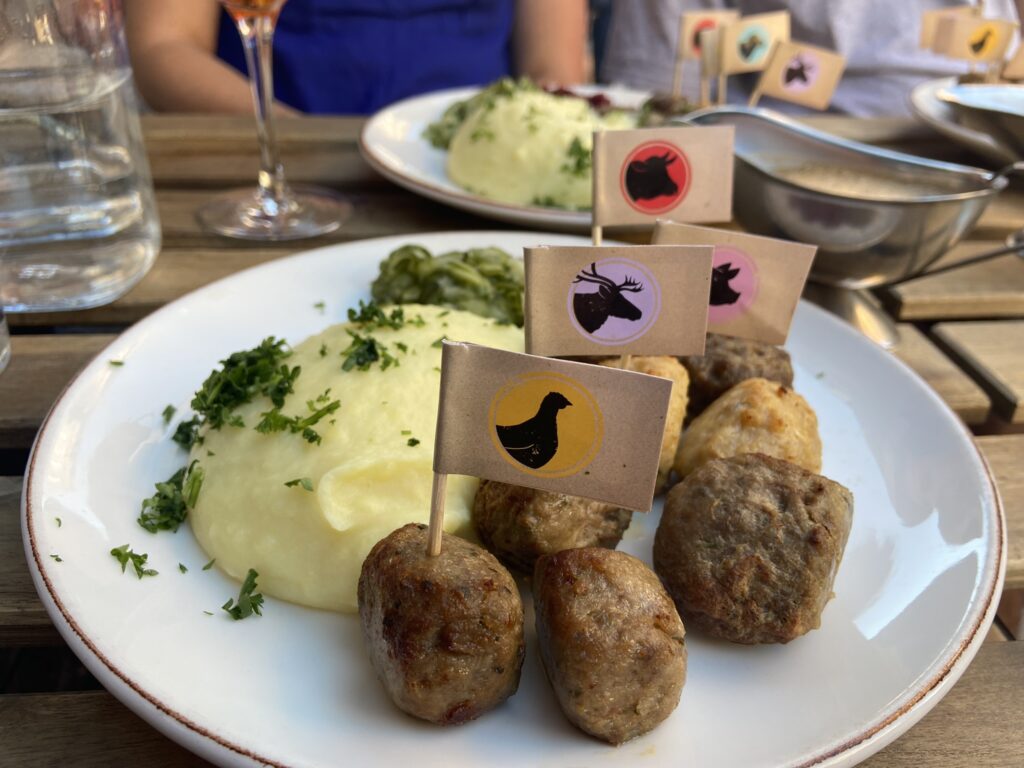
Meatballs (Köttbullar): Swedish meatballs, typically served with lingonberry sauce, creamy mashed potatoes, and pickled cucumber, are iconic in Swedish cuisine.
Herring (Sill): Pickled herring is a staple at Swedish tables, especially during holidays like Midsummer, Christmas, and Easter.
Smörgåsbord: A traditional Swedish buffet offering a variety of hot and cold dishes; it typically includes different types of bread, butter, cheeses, herring, and meats.
Gravlax: Cured salmon seasoned with dill and served with a dill and mustard sauce.
Crispbread (Knäckebröd): This dry and crisp flatbread made from rye is a common staple in Swedish homes, often topped with cheese, ham, or herring.
Princess Cake (Prinsesstårta): A traditional Swedish cake consisting of layers of sponge cake, pastry cream, and a thick layer of whipped cream, all topped with marzipan.
Surströmming: One of the most infamous Swedish dishes, surströmming is fermented herring. Due to its strong aroma and flavor, it’s an acquired taste, often eaten with thin bread, boiled potatoes, and sour cream.

Tips for Traveling in Stockholm
Get a Public Transport Card: Stockholm’s public transport system is efficient and easy to use. Get an SL Access Card for unlimited travel on buses, trains, trams, and ferries.
It’s a Bike Friendly City: Stockholm is a walkable and bike-friendly city. Rent a bike and explore neighborhoods like Södermalm and Djurgården at your own pace. There are cycle lanes throughout Stockholm, often next to the pavement. Take care not to walk in them, as cyclists won’t want to slow down or stop for you.
Be Prepared for Card Payments: Stockholm is almost entirely cashless. Credit and debit cards are accepted everywhere, from restaurants to public toilets.
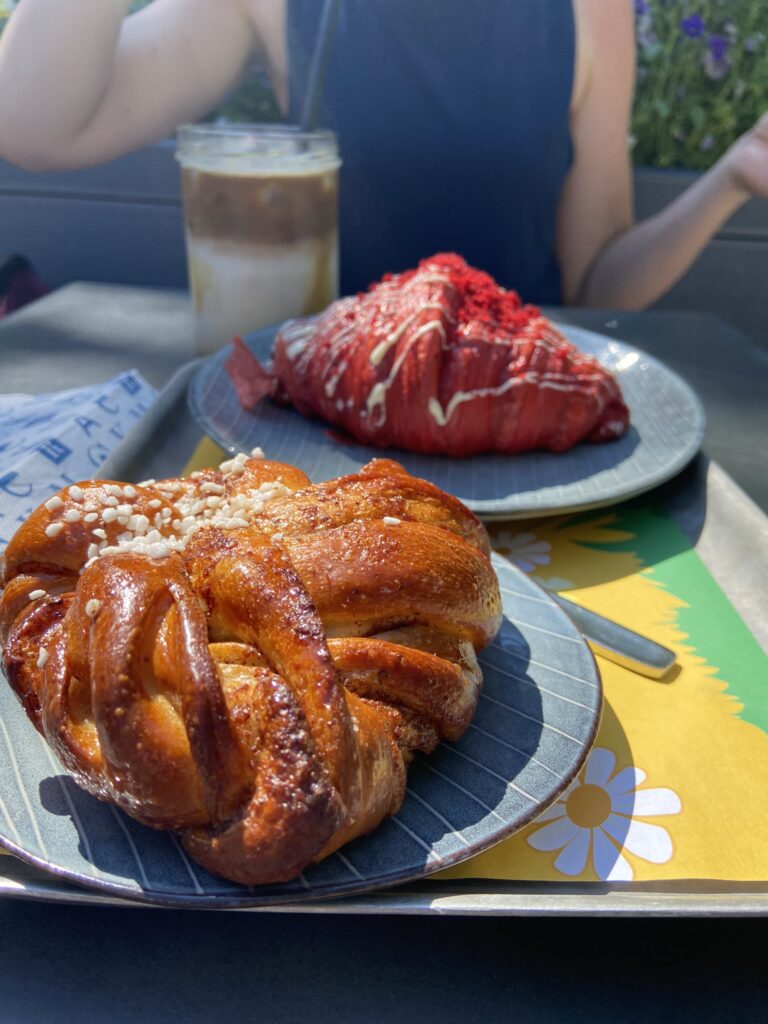
Embrace Fika: Fika is a Swedish tradition of taking a break for coffee and pastries. It’s more than a snack—it’s a way of life.
Use Ferries to Get Around: Stockholm’s ferry system is part of public transport and a scenic way to travel between islands.