
Uganda Mini-Guide
A quick guide to Uganda with tips on where to go, what to eat, the best time to visit, and how to plan the best trip to the Pearl of Africa!
Overview of Uganda
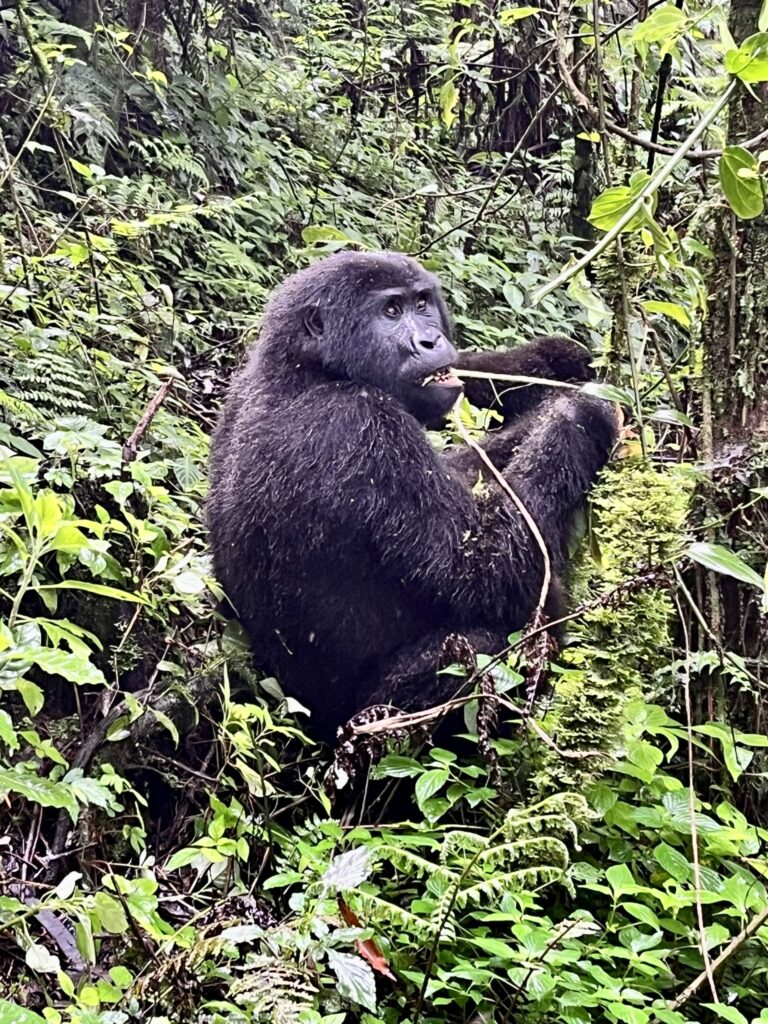
Uganda, often called the “Pearl of Africa,” is a standout destination for nature and wildlife lovers. It’s a landlocked country surrounded by lakes, mountains, rainforests and open savannas. This variety makes it one of the best places in Africa to see wildlife, including its famous mountain gorillas in the forests of Bwindi Impenetrable National Park and Mgahinga Gorilla National Park.
The experience of seeing these gorillas in their natural habitat is the highlight for many visitors, but there’s plenty more to explore, from tracking chimpanzees to bird watching. Beyond wildlife, Uganda has a lively cultural scene, with its cuisine reflecting a blend of local and international flavors.
Traveling around Uganda lets you see the real East Africa. You can go rafting on the Nile in Jinja, trek through Kibale Forest, or relax by the vast Lake Victoria. Uganda is a place where you can start your day in a lively city center and end it listening to the sounds of birds and insects in a tranquil forest.


Where to Go in Uganda
- Bwindi Impenetrable National Park: Known for its mountain gorilla trekking, Bwindi is a must.
- Murchison Falls National Park: Famous for Murchison Falls, where the Nile river explodes through a narrow gorge before flowing down into the lake. The park is also home to a vast array of wildlife including lions, hippos, and elephants, making it a great spot for safaris.
- Queen Elizabeth National Park: Known for its diverse ecosystems and game drives that offer sightings of elephants, hippos, lions, and leopards.
- Jinja: Known as the adventure capital of Uganda, Jinja is located at the source of the Nile River. It’s perfect for adrenaline-pumping activities like whitewater rafting, bungee jumping, and kayaking.
- Kidepo Valley National Park: Located in the remote northeastern corner of the country, this park is less frequented by tourists, offering a more secluded safari experience.
- Lake Mburo National Park: The smallest of Uganda’s savannah national parks, Lake Mburo is a great place for walking safaris, horseback riding, and boat trips on the lake.
- Kibale National Forest: The best place to track chimpanzees in Uganda. The forest has a large population of these primates along with 12 other monkey species.
- Ssese Islands: Located in the northwest of Lake Victoria, these islands offer a great escape with beautiful beaches, relaxed vibes, and excellent bird watching.
- Kampala: The capital of Uganda, Kampala is a mix of cultural, historical, and modern attractions.
Best Time to Go to Uganda
Uganda’s equatorial climate means the country enjoys a pleasant climate year-round, but there are certain times of the year that might suit your travel plans better depending on what you want to do and see. Here’s how the seasons break down:
Dry Seasons (June to September and December to February): These months are the best times to visit if you’re interested in wildlife viewing, particularly for gorilla trekking, as the paths are drier and the animals are easier to spot. The weather is generally sunny and clear, offering beautiful days for safaris and other outdoor activities. This is peak tourist season, especially around the major national parks, so expect more company on your adventures.
Wet Seasons (March to May and October to November): The rainy seasons bring greenery and the renewal of the landscape. Although it’s wetter and muddier, making trekking more challenging, this is a great time for bird watching as many species are in mating season. Additionally, there are fewer tourists, which can make for a more private experience at lower prices.
Transition Months (May and November): These months can offer the best of both worlds, with fewer tourists than the peak season but better weather than the height of the rainy seasons. They can be particularly good times to travel if you’re looking for moderate conditions and the chance to enjoy activities without the crowds.

Activities and Experiences in Uganda
8 Day Murchison Falls, Gorilla Trekking & Chimp Tracking Safari
3 Day Murchison Falls & Rhino Tour
Where to Stay in Uganda
Gorilla Retreat Eco Lodge – Bwindi Forest
Trackers Safari Lodge – Buhoma (Bwindi Forest)
Gorilla Leisure Lodge – Kisoro (Bwindi Forest)
Murchison Falls Bamboo Village – Murchison Falls National Park
No 5 Boutique Hotel – Entebbe
Protea Hotel by Marriott – Entebbe (great before/after flight)
Latitude 0 Degrees – Kampala
Kampala Serena Hotel – Kampala
Home on the Nile – Jinja

Must Eat Ugandan Food
Matoke: Often considered the national dish, matoke is steamed green bananas mashed and often served with a sauce of peanuts, beans, or meat. It’s a staple at most Ugandan meals.
Rolex: Not a watch, but a popular street food made from a chapati filled with eggs, vegetables, and sometimes meat, rolled up to form a tasty wrap.
Luwombo: A traditional dish where chicken, beef, or mushrooms are stewed in banana leaves with peanut sauce, giving it a rich aroma and flavor.
Posho (Ugali): A simple, dense cake made from maize flour and water, served as a side dish.
Sim-Sim (Sesame) Balls: These are snacks made from roasted sesame seeds mixed with sugar or honey.
Fish (especially Nile Perch and Tilapia): With numerous lakes, fish is a significant part of the diet in many parts of Uganda. It’s usually grilled, fried, or cooked in a stew with traditional spices.

Tips for Uganda Travel
Check Visa Requirements: Most travelers need a visa to enter Uganda. Apply online for an eVisa before your trip.Consider the East Africa Tourist Visa, which allows entry to Uganda, Rwanda, and Kenya with a single visa.
Vaccinations: Yellow fever vaccination is required for entry. Carry your vaccination card.
Plan Your Transportation: Hire a Private Driver or Self Drive. The easiest way to travel around Uganda is by hiring a car and driver. Roads can be rough, and having a local driver is safer and more convenient. If you’re confident in your driving skills and want more independence, self-driving is possible. A 4×4 vehicle is essential for national parks and rural areas.
Stay Safe: Uganda is generally safe for tourists, but take basic precautions: Avoid walking alone at night. Keep your belongings secure and be aware of pickpockets in busy areas. Use reputable tour operators for safaris and trekking.
Respect the Wildlife: When visiting national parks, follow the guidance of rangers and guides. Keep a safe distance from animals, especially during gorilla treks and safaris.Never feed wildlife or leave food unattended.
Bring a Power Bank and Universal Adapter: Power outages are common, especially in rural areas. A power bank and universal adapter will keep your devices charged.
Be Aware of Travel Advisories: Stay informed about the latest travel updates and advisories for Uganda, especially if you plan to visit remote regions.